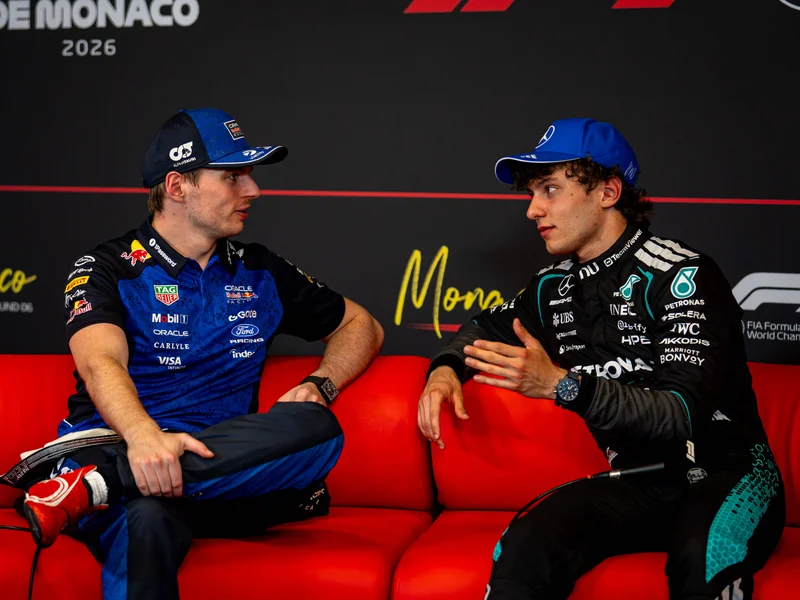
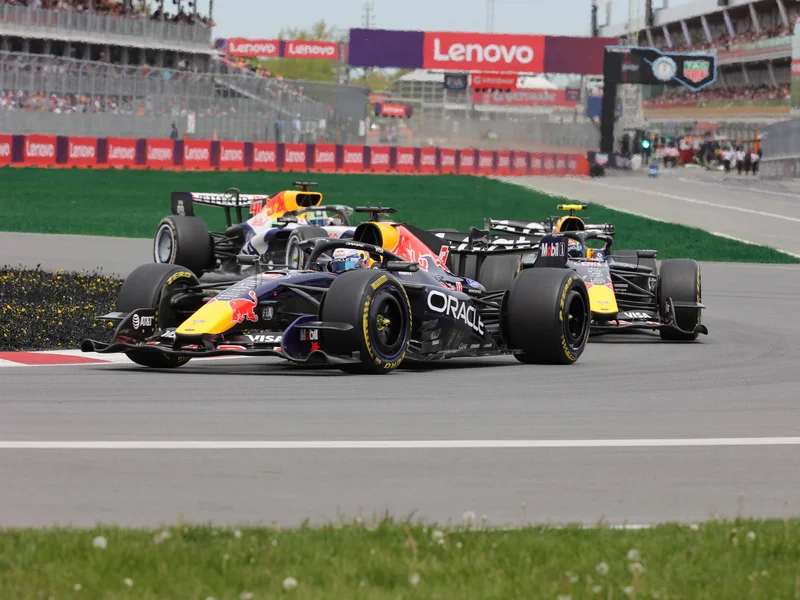
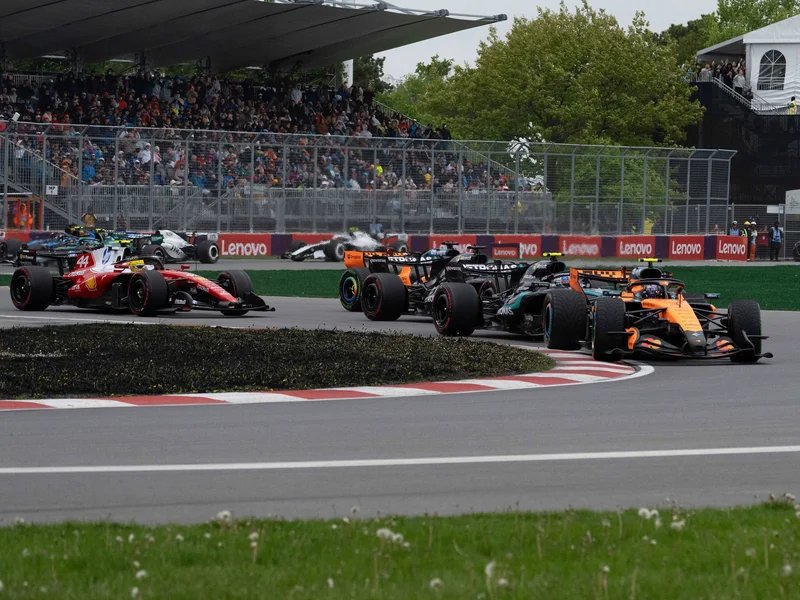
Max VerstappenPlayer·Max Verstappen leaves qualifying for the Barcelona Grand Prix balancing concern with cautious optimism after securing only fifth on the grid but closing the gap to pole to just over three tenths of a second.
The four-time world champion lines up fifth at Circuit de Barcelona-CatalunyaVenue·Circuit de Barcelona-Catalunya, 0.342 seconds behind pole-sitter George RussellPlayer·George Russell after a Q3 session that underlined both the progress and the limitations of Red Bull’s current package. Across practice, Verstappen regularly trailed the front by more than half a second, so the reduced deficit in qualifying represents a step forward in raw pace.
Yet Verstappen characterises the Red Bull as a car with a narrow operating window. He describes it as very sensitive to conditions and balance changes, an issue that has left him fighting the car rather than leaning on it across the Barcelona weekend. That sensitivity becomes most apparent in the final sector, where long, loaded corners punish any instability and expose weaknesses in traction and tyre management.

In his final qualifying run, Verstappen loses significant time in the third sector, sliding through the sequence of corners and conceding most of the gap to Russell there. Time drops away in Turns 10 and 12 in particular, forcing a more conservative approach in the final two corners as confidence in the rear grip fades. The data leaves him believing a place on the second row might have been possible with a cleaner final sector, but not enough to challenge for pole.
The result shifts the focus firmly towards race trim. Verstappen points to tyre degradation as the central variable that will decide Sunday’s outcome, ahead of outright one-lap pace. He expects every compound to be demanding over a full stint at Barcelona, with long, fast corners and high lateral loads accelerating wear. In his view, the race will hinge on how well each team can manage that drop-off, structure its stints, and execute pit stops under pressure.
That puts strategy at the heart of Red Bull’s hopes of turning a modest grid spot into a stronger result. Starting fifth limits Verstappen’s control over the opening laps, especially with multiple competitors around him showing consistent long-run speed, but it also offers flexibility. Depending on how the tyres behave in the early phases, Red Bull can respond with either an aggressive undercut or a more patient approach that protects rubber for a stronger finish.
The broader question hovering over the weekend is whether this is another sign that the era of Red Bull dominance is under real strain. Verstappen’s comments about the car’s sensitivity hint at a machine that is quick in the right window but harder to keep there across changing conditions and fuel loads. When rivals can extract performance more consistently, small margins in qualifying translate into real jeopardy on Sunday.

Even so, a three-tenths gap on a traditional, high-downforce circuit like Barcelona suggests Red Bull remains close enough to fight if it can unlock a more stable balance and keep tyre temperatures under control across a stint. Verstappen’s starting position ensures he is in the mix to capitalise on any missteps from the front-runners, whether through tyre fade, traffic in pit sequences or strategic miscues.
For the champion, the task is now clear. He must navigate a congested opening lap, keep the sensitive car within its preferred window, and rely on execution in the pits and on the pit wall to compensate for the shortfall in pure qualifying speed. The gap to pole may have narrowed, but Sunday’s race at Circuit de Barcelona-CatalunyaVenue·Circuit de Barcelona-Catalunya will test whether that progress is sustainable – and how much longer the rest of the field needs to keep Red Bull under sustained pressure.
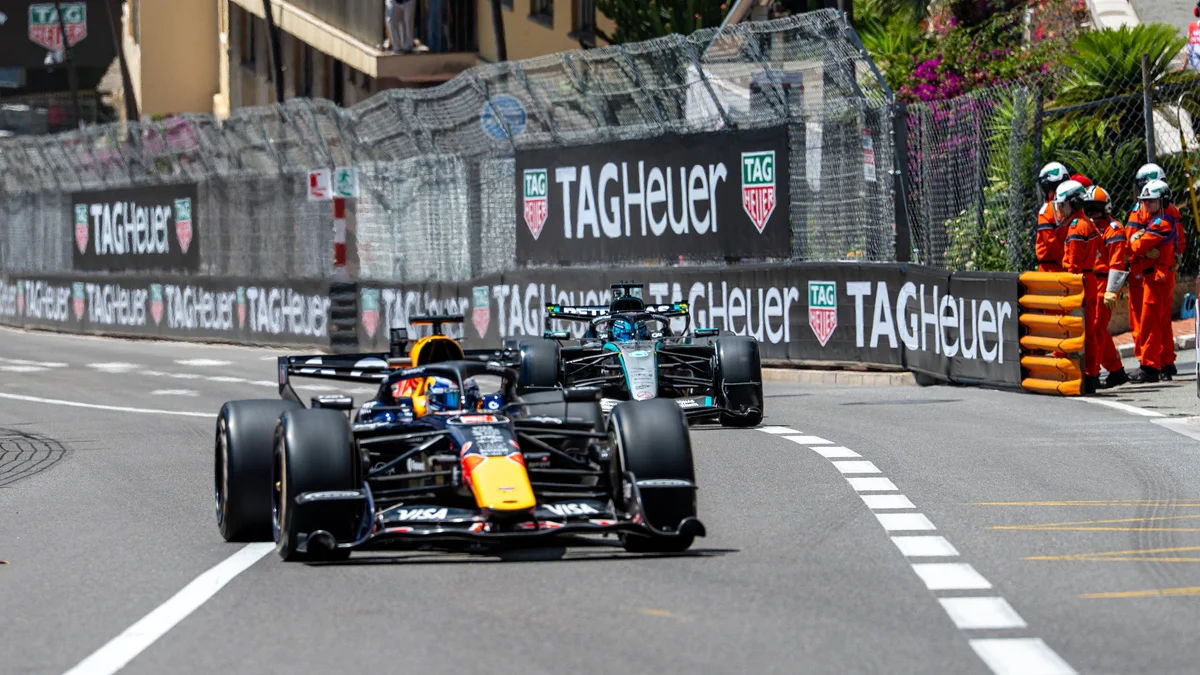
Max Verstappen (Red Bull) and George Russell (Mercedes) at the Formula One Monaco GP. Photo: Beautiful Sports/IMAGO
Beautiful Sports/IMAGOThis article was generated by AI (sonar-pro). Learn more.