For 24 hours, BMW M Team WRTTeam·BMW M Team WRT’s No. 20 entry trades blows at the front of the 24 Hours of Le MansCompetition·24 Hours of Le Mans. In the end, the outcome is decided not by laps, but by seconds.
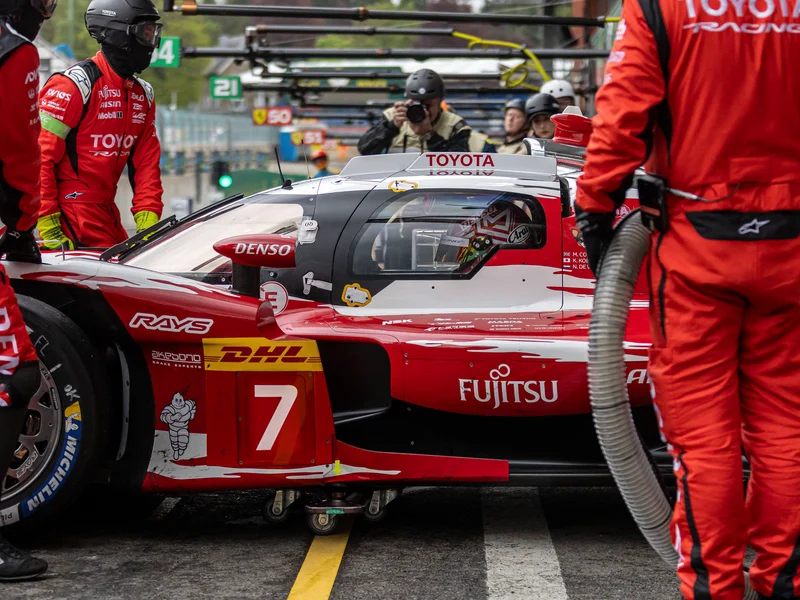
Robin FrijnsPlayer·Robin Frijns, Sheldon van der LindePlayer·Sheldon van der Linde and Rene RastPlayer·Rene Rast finish second overall, crossing the line just 10.9 seconds behind the winning No. 7 Toyota crew of Kamui KobayashiPlayer·Kamui Kobayashi, Mike ConwayPlayer·Mike Conway and Nyck de VriesPlayer·Nyck de Vries. The slender margin underlines both the competitiveness of BMW’s Hypercar package and the lasting sting of a near miss in endurance racing’s most prestigious event.
The No. 20 BMW leads on multiple occasions through the day–night cycle at the Circuit de la SartheVenue·Circuit de la Sarthe, emerging as a consistent reference point in a race defined by changeable pace and shifting strategies. Each stint from Frijns, van der Linde and Rast keeps the car in the victory conversation, BMW’s blue-and-white colours a constant presence at the head of the field.

As the race develops, the contest at the front narrows into a head-to-head between BMW and Toyota. The No. 20 car’s strong early rhythm establishes a small but valuable cushion, only for its pace to ebb in the middle phases before recovering again through the night. Each time the race resets – through traffic, pit stop cycles or changing conditions – the same pattern returns: BMW pushes back into contention and Toyota responds.
By dawn, the tactical picture is clear. Track position, tyre life and fuel management are all in play, and both manufacturers make committed strategic calls to control the final hours. BMW’s drivers continue to extract consistent lap times, but the decisive closing stints tilt narrowly towards the No. 7 Toyota, which finds just enough speed and efficiency to manage the gap while staying out of reach.
When the chequered flag falls, the stopwatch tells the story. A 10.9-second difference after a full day and night of racing is a reminder of how fine the margins have become in the Hypercar era. For Frijns, van der Linde and Rast, it is a podium earned the hard way, built on relentless pace, disciplined traffic management and the ability to absorb pressure in one of motorsport’s harshest environments.
For BMW, it is also a milestone. The manufacturer celebrates its best Le Mans result since 1999, with the No. 20 crew converting pre-race ambitions of a top-five finish into a genuine challenge for overall victory. The team completes the full 24-hour distance without the technical issues that have undermined previous attempts, a significant benchmark in any long-term endurance project.

That context makes the final result both encouraging and painful. To come so close to a first overall Le Mans win of the modern era and leave with second place inevitably carries a sense of what might have been, particularly in a race where first place is the only target that truly satisfies a factory programme.
Yet the message from BMW’s camp is forward-looking. The narrow defeat, framed by their strongest showing in more than two decades, provides both validation and motivation. The No. 20’s run confirms that BMW belongs in the sharp end of the Hypercar field, and it sets a clear objective for the future: return with the same resilience, refine the package further, and convert a near-miss into the outright victory that slipped away by barely more than ten seconds.

Toyota Gazoo Racing celebrates their victory on the podium at the 94th 24 Hours of Le Mans. (PsnewZ/IMAGO)
PsnewZ/IMAGOThis article was generated by AI (sonar-pro). Learn more.