Steve Clarke distils Scotland’s World Cup opener into a single, unmistakable message: do not let the tournament slip away on the first night.
On the eve of their Group C meeting with Haiti in Boston, Clarke frames the task in typically plain language, warning that the lesson from recent major finals is to avoid a damaging collapse in the opening fixture. The reference points are clear enough. Scotland’s Euro 2024 campaign begins with a 5-1 defeat to Germany, following a 2-0 loss to Czech Republic at Euro 2020, and both tournaments quickly tilt away from them as a result.
This time, the priority is control. Clarke stresses that the first game at a World Cup is rarely about instant flourish and more about ensuring the group is still alive after matchday one. Goal difference, confidence and the emotional temperature around the squad all sit at stake in Boston, and the manager’s messaging reflects that wider picture.

His choice of words also offers a window into the internal culture he is trying to foster. The blunt phrase he uses in public mirrors the kind of straight‑talking that typically belongs in the dressing room, signalling to players and supporters alike that Scotland arrive with clear-eyed realism about the margins at this level. It is not an invitation to play with fear, but a reminder that tournament football often punishes over-exuberance in the opening exchanges.
Scotland’s preparation supplies the belief to underpin that caution. Clarke’s side arrives in the United States off the back of confident warm-up performances, including a commanding win over Bolivia and a 4-1 victory over Curaçao that showcase a team comfortable imposing itself in a front-foot 4-2-3-1 and flexible enough to drop into a more compact shape when required. Those friendlies, staged in American conditions, also give the squad valuable rehearsal time for the heat and travel demands of a World Cup played across a vast host nation.
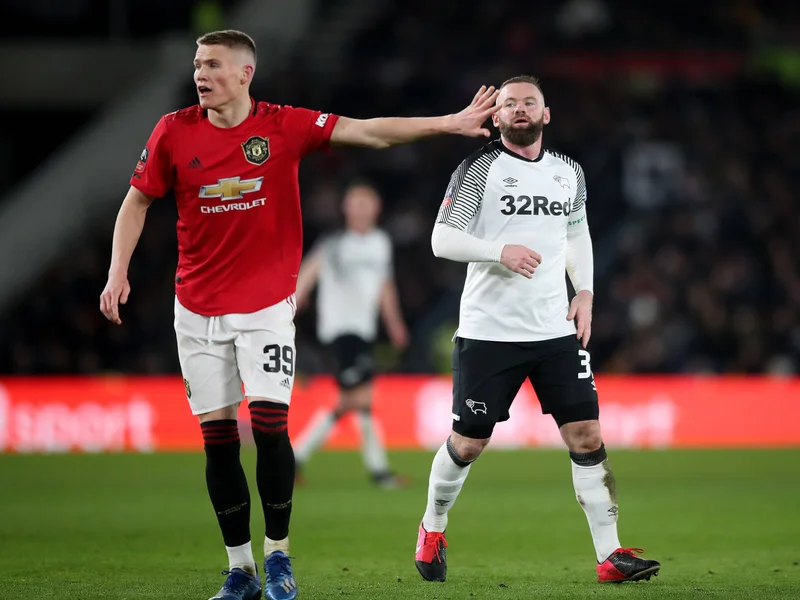
Fitness news strengthens the sense of readiness. Scott McTominayPlayer·Scott McTominay is declared fit after a recent stomach bug, removing one of the manager’s main selection concerns in midfield. The Napoli player arrives off a season in which he scores 14 goals in all competitions and helps his club finish as Serie A runners-up, underlining his evolution into a reliable source of goals from deep.
McTominay’s presence gives Clarke an additional penalty-box threat on late runs, set pieces and second balls at the edge of the area. In tight tournament games where clear chances are scarce and expected goals remain modest, that capacity to convert half-openings can separate an efficient start from a frustrating stalemate.

Haiti, meanwhile, enters the match with less global attention but a familiar underdog profile. Their athleticism, willingness to press in short, sharp bursts and comfort attacking from wide areas demand concentration from Scotland’s back line, particularly on defensive transitions. Clarke’s emphasis on avoiding a heavy defeat acknowledges that a chaotic, stretched contest would likely favour Haiti’s speed and improvisation.
The tactical balance therefore becomes central. Scotland must find a way to dominate territory without leaving themselves repeatedly exposed to direct balls in behind. Early on, a compact mid-block and controlled possession phases through midfield may be preferred to relentless high pressing, especially in the Boston humidity. The objective is to keep the game on Scotland’s terms for long enough that quality and structure can tell.
The psychological dimension is just as important as the tactical one. The scars of previous opening defeats sit in the background, but Clarke’s public tone suggests a group intent on treating those experiences as reference points rather than burdens. By naming the danger so directly, he removes some of its power and reframes success in the opener as much about game management as spectacle.
For Scotland, the stakes are obvious. Avoid defeat and the path through Group C remains navigable, with performances against the section’s heavier hitters still to come. Suffer another heavy loss and the narrative that has shadowed this generation at major tournaments quickly returns, with goal difference and belief damaged before the campaign has truly begun.
In Boston, then, Scotland chase more than a result. They seek a different kind of opening chapter, one built on composure, clarity and the refusal to let a World Cup story be decided in 90 frantic minutes.
This article was generated by AI (sonar-pro). Learn more.